

What Silverplated Jewelry Really Means
Ever wondered what "silver plated" actually means? It's pretty straightforward: a piece of jewelry is made from a sturdy, affordable base metal—like copper or brass—and then coated with a thin, beautiful layer of genuine silver.
Think of it like putting a gorgeous veneer on a solid piece of furniture. The core material provides the strength and shape, while the outer silver layer gives it that luxurious, high-end shine we all love. This technique makes stunning designs accessible without the solid-silver price tag. These aquamarine sapphire silver and gold plated earrings are a perfect real-world example of how elegant plated jewelry can be.
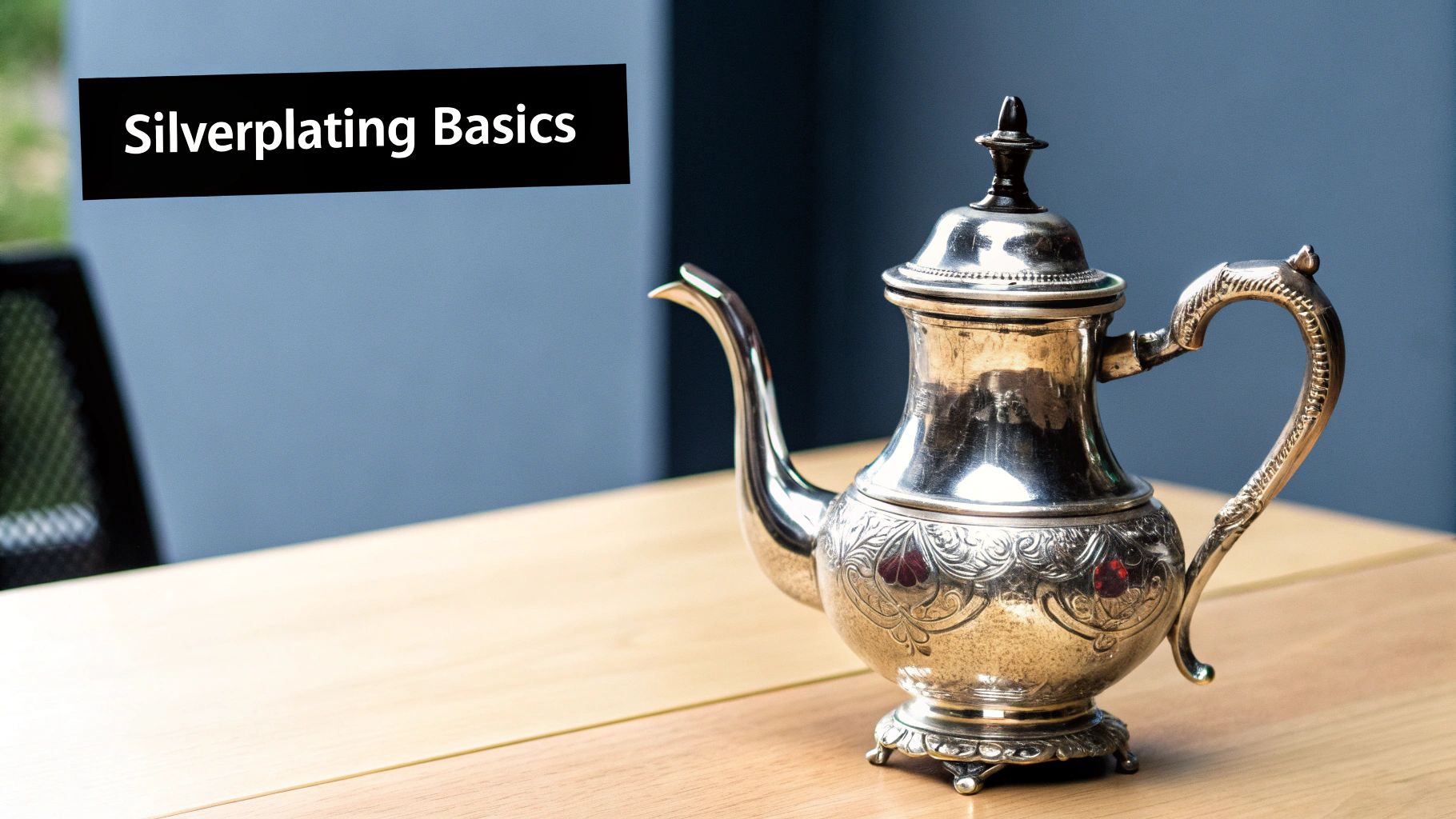
It’s a fantastic way to get the look for less, but it's important to know how these pieces differ from something made of solid sterling silver. They might look similar at first glance, but their composition, durability, and how you care for them are quite different. Knowing this helps you pick the right jewelry for your lifestyle.
For a more detailed breakdown, we’ve put together an in-depth guide on the topic. You can read all about it in our post on silver vs. silver plated jewelry.
Silver Plated vs Sterling Silver Quick Comparison
To help you see the key differences at a glance, we've put together a simple comparison table. This breaks down what sets these two popular materials apart.
| Attribute | Silver Plated | Sterling Silver |
|---|---|---|
| Composition | Base metal (copper, brass) with a thin silver layer | 92.5% pure silver mixed with other metals |
| Cost | More affordable and budget-friendly | Higher initial investment due to precious metal content |
| Durability | The silver layer can wear off over time with use | Highly durable and can last a lifetime with care |
| Maintenance | Requires gentle cleaning to preserve the thin layer | Can be polished repeatedly to restore its original shine |
Ultimately, both options have their place. Silver plating offers affordable beauty, while sterling silver provides long-lasting value and durability.
The Surprising History of Silver Plating
To really get why silver-plated jewelry is so special today, we need to hop in a time machine. Before the 18th century, if you wanted something made of silver, you had to be seriously wealthy. Solid silver was the ultimate status symbol, a luxury most people could only dream of.
But then, a brilliant new idea completely shook things up and brought a touch of elegance to the masses. The first real commercial method was called Sheffield Plate, and it was a game-changer born in England.
Sheffield Plate was an incredible technique. Craftsmen would fuse thin sheets of silver onto a copper base using intense heat and pressure. The finished product looked and felt just like solid silver but was a fraction of the cost to make.
Suddenly, the growing middle class could afford gorgeous, silver-like teapots, trays, and candlesticks. This innovation didn't just create a new product; it opened up a whole new world of affordable luxury.
A Foundation for Modern Techniques
This early method was purely mechanical—all about heat and fusion, not chemistry. But even though it was a bit rustic by today's standards, it laid the perfect foundation for the more advanced electroplating techniques that would come later. The goal was always the same: to make the beauty of silver accessible to everyone.
The journey from Sheffield Plate to modern electroplating is a story of constant refinement. The techniques we use today, which we’ll get into next, give us incredible precision and durability. For a closer look at how it all works, you can check out our complete expert guide on what is silverplate. It’s this fantastic evolution, blending old-school ingenuity with modern science, that lets us enjoy so much beautiful and affordable silver-plated jewelry today.
How Modern Silver Plating Actually Works
That beautiful silver shine you see on so much jewelry isn't just a coat of paint. It’s the result of a fascinating process called electroplating, which uses a bit of chemistry and electricity to bond a layer of pure silver onto another metal.
Think of it like this: we’re essentially making a piece of brass or copper "magnetic" to silver particles. The process starts by placing the jewelry piece (the base metal) and a bar of pure silver into a special liquid bath known as an electrolyte solution. When we introduce a gentle electric current, the magic begins.
This current causes tiny silver particles, called ions, to leave the pure silver bar and travel through the solution. They're drawn directly to the jewelry piece, where they deposit themselves in a perfectly smooth and even layer. It’s an incredibly precise method that creates a strong, beautiful bond.
The Key Steps in Electroplating
Getting that flawless, mirror-like finish isn't a one-shot deal. The success of silver plating comes down to a careful, multi-step process where every stage counts.
- Immaculate Cleaning: First things first, the base metal has to be perfectly clean. We're talking surgically clean. Even the slightest speck of dirt or oil will ruin the bond and cause flakes or weak spots.
- The Electrolytic Bath: Next, the cleaned piece is submerged in the electrolyte solution along with the source silver.
- Applying the Current: A low-voltage direct current is run through the bath. This controlled electrical charge is what coaxes the silver ions to migrate and form a new, beautiful surface on the jewelry.
This infographic gives you a great visual of how the electrolytic bath works its magic.
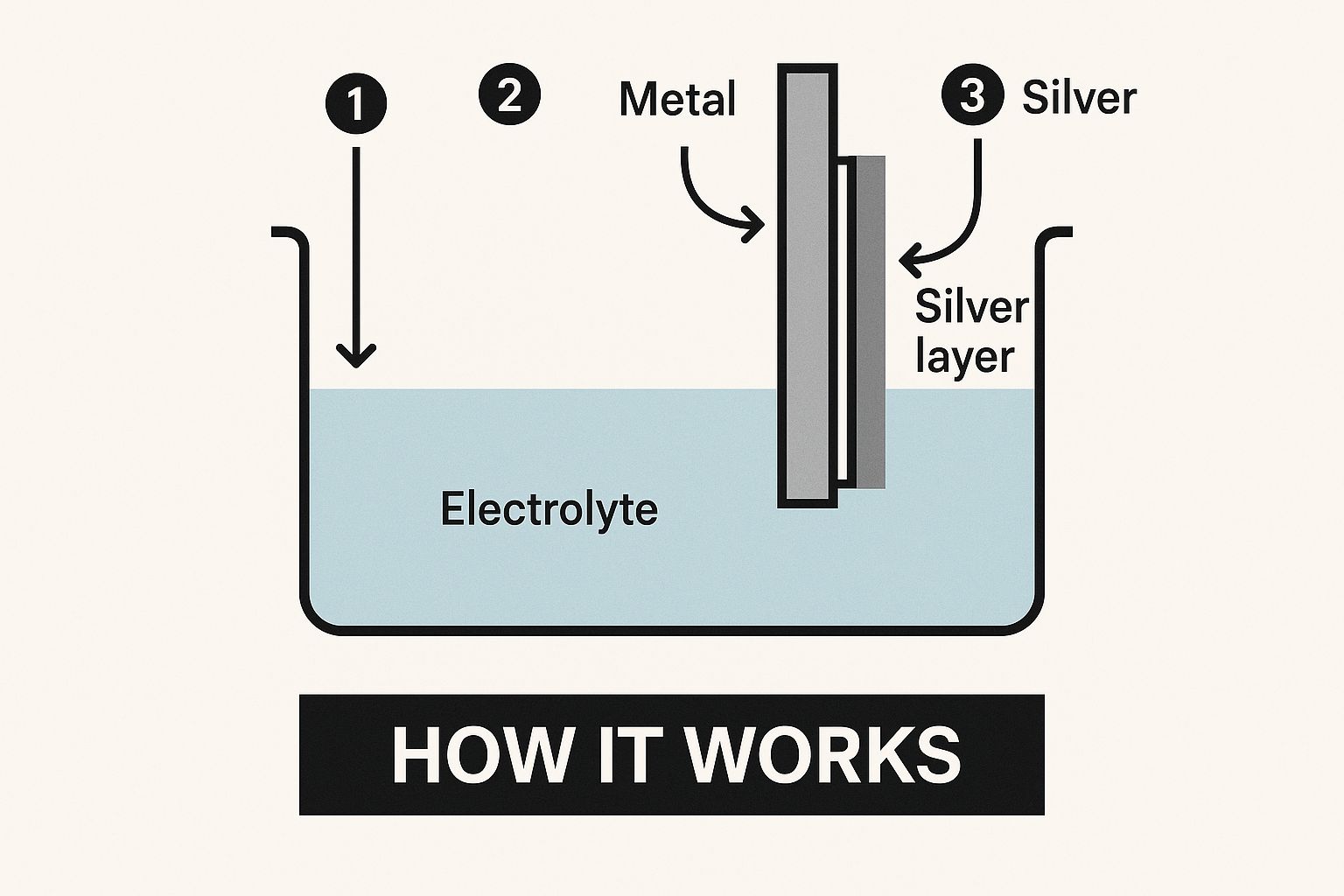
As you can see, it's all about a controlled electrical flow creating a consistent and even coating. Simple, yet brilliant.
Why Plating Thickness Matters
The thickness of this new silver layer is everything. We measure it in microns, which is one-millionth of a meter. A thicker plating simply means a more durable piece of jewelry with a longer-lasting shine. This isn't just a silver thing, either; the same principles apply to gold jewelry. If you're curious, you can dive deeper in our guide to understanding the differences between solid gold, gold filled, and gold plated jewelry.
For high-quality silver plating, the industry standard is typically between 0.5 to 2.5 microns. Anything thinner than that just won't stand up to daily life and will wear away quickly.
At the end of the day, modern electroplating is all about giving you the best of both worlds: the timeless beauty of silver, combined with the strength and affordability of a robust base metal.
The Pros and Cons of Silver-Plated Jewelry
Every type of jewelry has its own give and take, and silver-plated pieces are no exception. Getting a clear picture of its good and bad sides is the best way to know if it’s the right choice for you and your lifestyle.
The biggest plus is definitely the price. Silver plating lets you rock the bright, beautiful look of pure silver without the hefty price tag. You can build a stunning collection and play with all the latest trends without breaking the bank.
And honestly? When the plating is done well, it’s nearly impossible to tell the difference between a plated piece and solid sterling silver just by looking at it. They have that same luxe vibe, making them perfect for special occasions or just for having a wide range of accessories to choose from.
The Trade-Off: Durability and Care
Now for the flip side. The main thing to keep in mind is durability. Because the silver is just a very thin layer on the outside, it can eventually wear off. This happens faster on pieces that get a lot of friction, like rings and bracelets you wear every day.
That thin silver coating also means you need to be a bit more careful. Harsh cleaning chemicals or rough polishing can actually scrub the silver right off, exposing the different metal underneath.
The secret to long-lasting silver-plated jewelry is simple: its beauty depends entirely on that thin outer layer. Protect that coating, and your piece will stay gorgeous.
Tarnishing is another thing to think about. Just like solid silver, the plated layer can react with things in the air and get that dark, discolored look over time. We dive deeper into this in our guide on will silver plated jewelry tarnish. While you can clean tarnish away, doing it too often or too aggressively can wear down the plating faster.
At the end of the day, silver-plated jewelry gives you incredible style for the price, but it does ask for a little mindful care to keep it looking its best.
How To Properly Care For Your Plated Jewelry
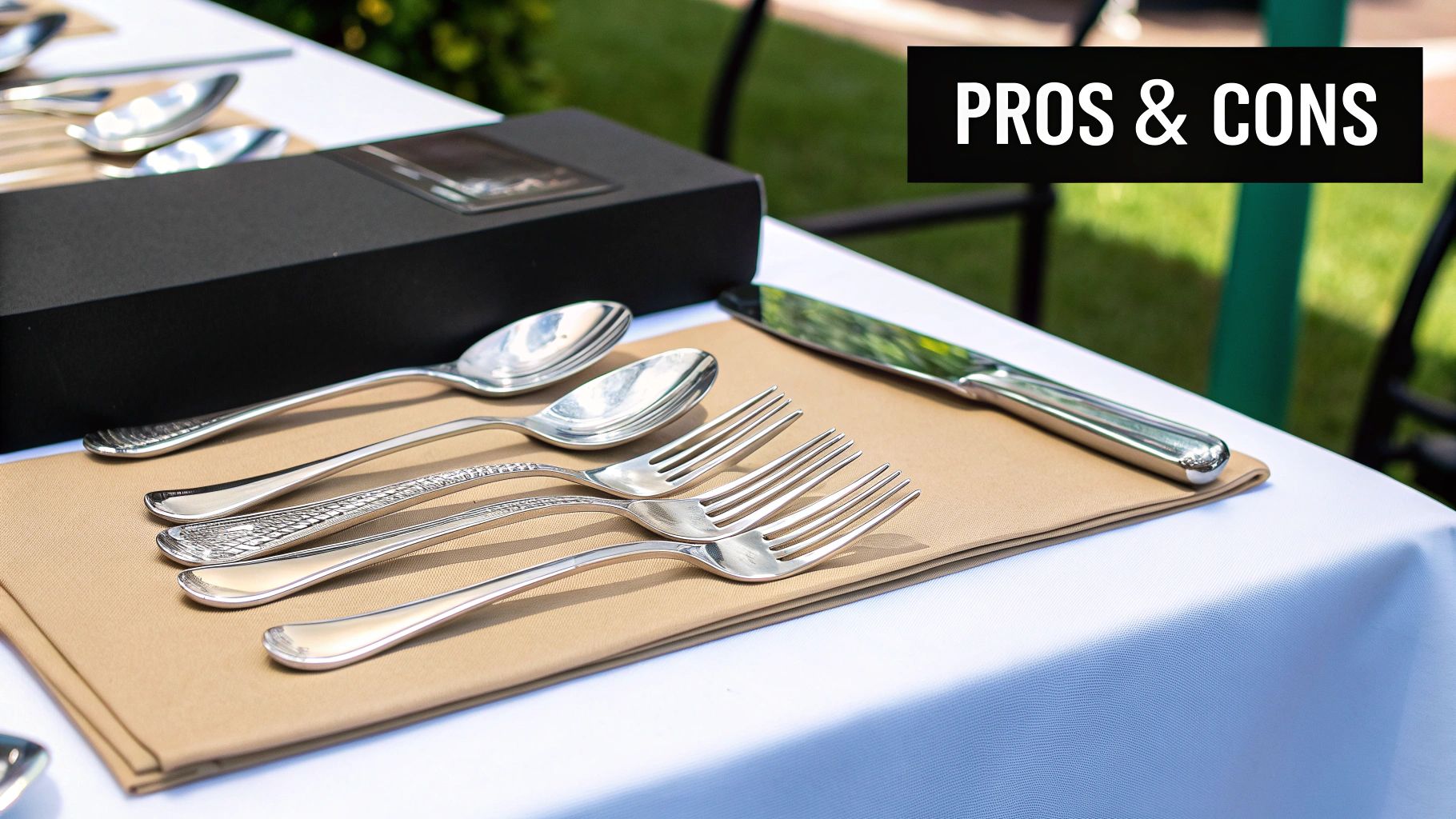
Keeping your silver-plated jewelry looking its best is actually pretty simple. The real magic is in that delicate outer layer of silver, so a little bit of mindful care will go a long way in preserving its shine for years. It’s all about gentle handling and knowing what to avoid.
The best habit you can get into is giving your pieces a quick, gentle wipe with a soft, dry microfiber cloth after you take them off. This little step clears away any skin oils or dust that might otherwise speed up tarnishing. After that, it's all about how you put it away.
The Do's and Don'ts of Silver-Plated Care
To keep things straightforward, here's a quick guide. These tips are designed to protect that thin layer of silver from damage, ensuring your jewelry stays as stunning as the day you first wore it.
- DO tuck your jewelry away in an airtight bag or a fabric-lined box. This is your best defense against air and moisture, the two main things that cause tarnish. For a deeper dive into this, you can learn more about why silver plated jewellery can tarnish and how to stop it.
- DON'T wear it in the shower, pool, or ocean. Seriously. Water, and especially chemicals like chlorine, can be brutal on the plating and will cause it to fade quickly.
- DO make your jewelry the final touch. Always apply lotions, perfumes, and hairspray first. Let them dry completely before you put on your accessories to avoid any chemical reactions.
- DON'T reach for harsh chemical cleaners or abrasive polishes. They're far too aggressive for the delicate silver layer and can strip it right off.
My golden rule for plated jewelry is simple: If you wouldn't put it on your skin, don't put it on your jewelry. Stick to gentle, chemical-free cleaning.
For some more great tips on keeping your pieces in pristine condition, you can find guides on how to clean silver plate silverware at home, and the same principles often apply. Following these simple steps will make sure your collection stays gleaming.
Why We Insist on Premium Silver Plating
So, we've talked about what silver plating is, but here's something you need to know: not all plating is the same. Far from it. At Hidden Forever, we knew we had to go way beyond the industry standard if we wanted to create keepsakes that truly last.
It all starts with the thickness of the silver itself. Many companies get by with just a whisper-thin coating. We do things differently. We apply a significantly thicker layer of pure silver to every single piece we make. This isn't just a small detail—it's what gives your jewelry its incredible durability and a much stronger defense against tarnish.
It's What's on the Inside That Counts, Too
Of course, a beautiful surface needs a solid foundation. That’s why we’re just as picky about the metal underneath. We only use base metals that are strong, durable, and completely hypoallergenic.
This means you get a piece that not only looks stunning but feels great against your skin, with no irritation. It’s the best of both worlds.
We combine a thicker-than-average silver layer with a high-quality, hypoallergenic base. This isn't just about making jewelry; it's about crafting beautiful, lasting pieces you can wear with total confidence.
In the end, we’re not just making accessories. We're creating personal tokens that feel as special as the memories they represent. Our commitment to quality ensures that both the beauty of the piece and the sentiment behind it will endure for years to come.
A Few Final Questions About Silver Plating
Alright, let's wrap up with a few questions that pop up all the time when people are talking about silver-plated jewelry. Getting these cleared up should help you feel great about the pieces you choose and wear.
Is Silver-Plated Jewelry Hypoallergenic?
The short answer is: it depends on what's underneath. The silver on the outside is generally safe for sensitive skin, but the real question is about the base metal.
If that thin silver layer wears away, your skin could be exposed to whatever is below, which is often nickel or copper—common culprits for skin irritation. That's exactly why we, and other quality jewelers, insist on using hypoallergenic base metals from the get-go. It just minimizes the risk.
How Long Does Silver Plating Last?
Honestly, this really comes down to two things: how thick the plating is and how you treat the jewelry. If you have a piece you wear every single day, you might start seeing some wear and tear anywhere from six months to two years down the road.
But for a special occasion piece that you care for properly? That beautiful silver finish can look great for a much, much longer time.
Key Takeaway: Think of it this way: the lifespan of your silver-plated jewelry is a partnership between the maker's quality and your care. A little bit of gentle handling and smart storage goes a very long way in keeping it shiny and beautiful.
Can You Re-Plate Jewelry?
Yes, and this is one of the best parts about owning plated jewelry! When a favorite piece starts to look a bit tired, you can take it to a professional jeweler. They can strip off the old layer and apply a brand-new, gleaming coat of silver.
It’s a surprisingly affordable way to breathe new life into a piece you love and bring it right back to its original glory.
At Hidden Forever, we put quality first, using premium plating so your treasured memories can shine brightly for years. We invite you to explore our collection of personalized projection jewelry at hiddenforever.com.


