

When you're trying to decide between sterling silver and silver-plated jewelry, it really boils down to what's inside. The two might look similar at first glance, but what they're made of is a world apart.
Sterling silver is the real deal—a precious metal alloy made of 92.5% pure silver. The other 7.5% is usually copper, added to make it strong enough for everyday wear. On the other hand, silver-plated pieces have just a whisper-thin layer of silver applied over a much cheaper base metal, like brass or copper.
The Core Differences: What You're Really Buying
Choosing the right type of silver jewelry is crucial. It affects everything from how much you'll pay upfront to how the piece will look after a few years of wear. Sterling silver is a time-tested material for quality jewelry, something you can wear for a lifetime. Silver plating is more of a fashion-forward, budget-friendly option that gives you the look without the investment.
To make things simple, here’s a quick breakdown of how they stack up.
Quick Comparison: Sterling Silver vs Silver Plated
This table gives you an at-a-glance look at the key distinctions.
| Attribute | Sterling Silver | Silver Plated |
|---|---|---|
| Composition | An alloy of 92.5% pure silver and 7.5% other metals. | A thin layer of silver over a base metal like copper or brass. |
| Value | High. It has both intrinsic and resale value due to the silver content. | Very low. The value is in the look, not the materials. |
| Durability | Excellent. It's strong and meant to last a lifetime with proper care. | Low. The thin plating can easily scratch, chip, or wear away. |
| Maintenance | Tarnishes over time but is easily cleaned and polished back to new. | Tricky. Once the plating is damaged, it's often permanent. |
As you can see, the differences are pretty stark. One is an investment in a precious metal, while the other is a purchase based on aesthetics.
What Makes Silver Special?
To really get why sterling silver is so valued, you have to understand a bit about pure silver itself. It’s the foundation of every sterling silver piece.
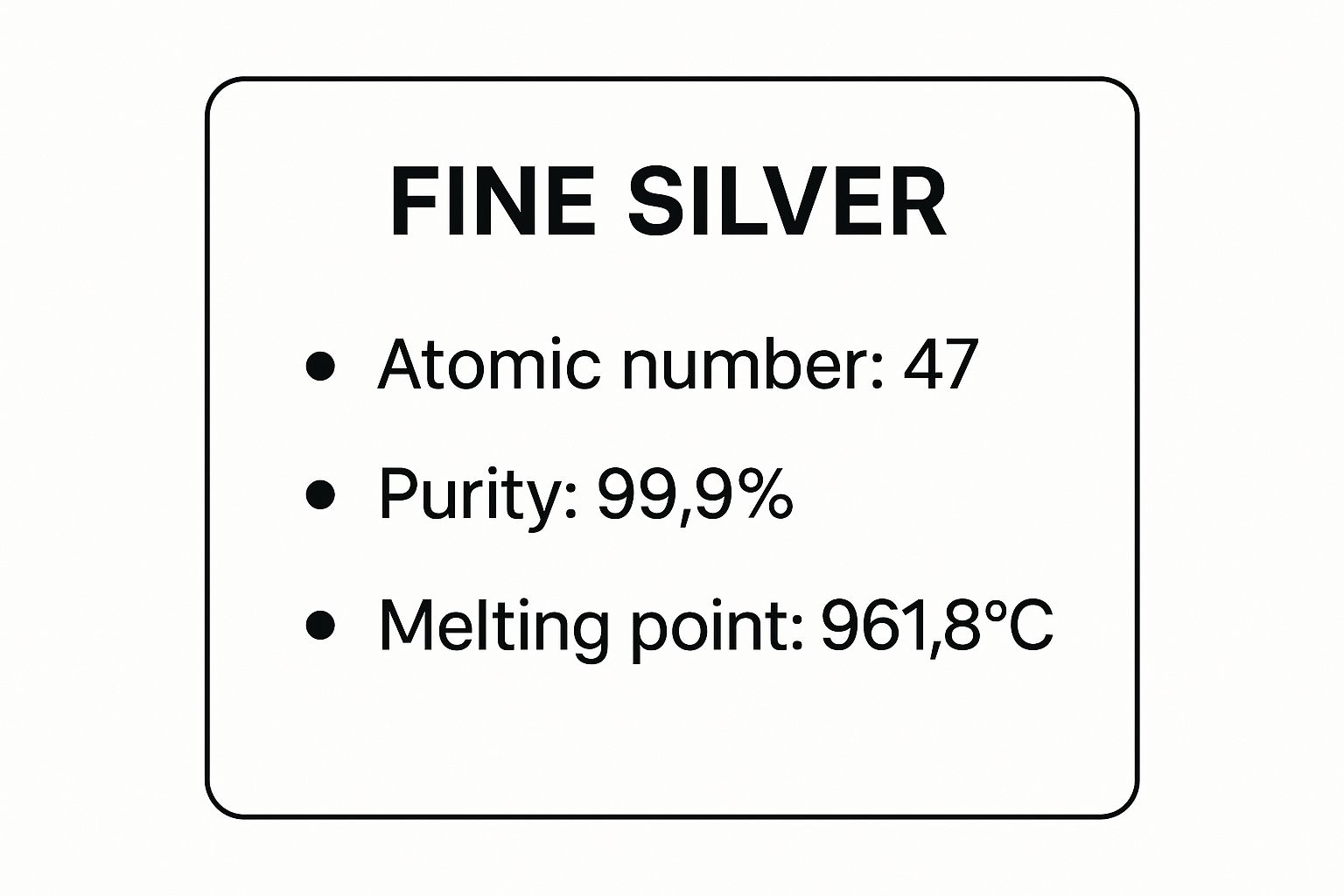
This incredible metal, with its atomic number of 47 and 99.9% purity in its fine form, is what gives sterling silver its inherent value. In silver-plated items, this precious material is just a surface-level coating.
The Bottom Line: Choosing between sterling silver and silver-plated is really a choice between a lasting investment and a temporary look. Your decision should come down to your budget, how often you plan to wear the piece, and whether you want it to last.
Both can be beautiful, but how they age is completely different. The coating on plated jewelry is prone to wearing off, which can be a real headache. If you're curious about this, you can learn more by reading our expert care secrets for silver-plated rings that tarnish.
What Is Your Jewelry Actually Made Of?
To really get to the heart of the sterling silver vs. silver-plated debate, you have to look past the initial shine and understand what’s going on at the core. The real difference isn’t just about how the jewelry looks—it's about the metals themselves, which dictate everything from durability and value to how the piece feels against your skin.
When you pick up a piece of sterling silver, you’re holding a precious metal alloy. Pure silver is actually too soft for making jewelry that can stand up to daily life, so it's blended with other metals to give it strength.
The Sterling Silver Standard
Genuine sterling silver has a specific, legally defined recipe: it's 92.5% pure silver mixed with 7.5% of another metal, which is usually copper. This small addition of copper is what gives the alloy its durability, making it strong enough for everything from a delicate chain to a chunky, everyday ring.
This precise 92.5% ratio is the reason authentic sterling silver pieces are stamped with a quality mark, like “925,” “STER,” or “Sterling.” Think of this stamp as a guarantee. It certifies the precious metal content and tells you that you're buying something with real, intrinsic value.
The Silver-Plated Illusion
Silver-plated jewelry is a whole different ball game. At its core, it's made from an inexpensive base metal—typically copper, brass, or nickel. This base metal provides the shape and structure of the piece.
Then, a whisper-thin layer of real silver is applied over the top using an electrical process called electroplating. We're talking about a coating that can be just a few microns thick, giving the appearance of solid silver without the cost. For a closer look at how this works, check out our complete expert guide to what silverplate is.
The base metal underneath isn't just a detail; it dramatically affects the jewelry.
- Weight & Feel: A copper or brass core can give a piece a nice, substantial weight. On the other hand, a cheaper zinc or nickel alloy can feel flimsy and light.
- Allergic Reactions: Once that thin silver plating starts to wear down, your skin is exposed to whatever lies beneath. Nickel is a notorious culprit for skin irritation and allergies.
- Appearance Over Time: It’s not a matter of if the plating will wear off, but when. Scratches and chips will eventually reveal the base metal, which often has a coppery or yellowish color that stands out against the silver. Unlike tarnish on sterling silver, this kind of damage is permanent.
The bottom line is simple: Sterling silver is a precious metal alloy all the way through. Silver-plated jewelry is a base metal wearing a thin, fragile costume of silver. This fundamental difference is what drives every other comparison between the two.
Comparing Durability and Real-World Longevity
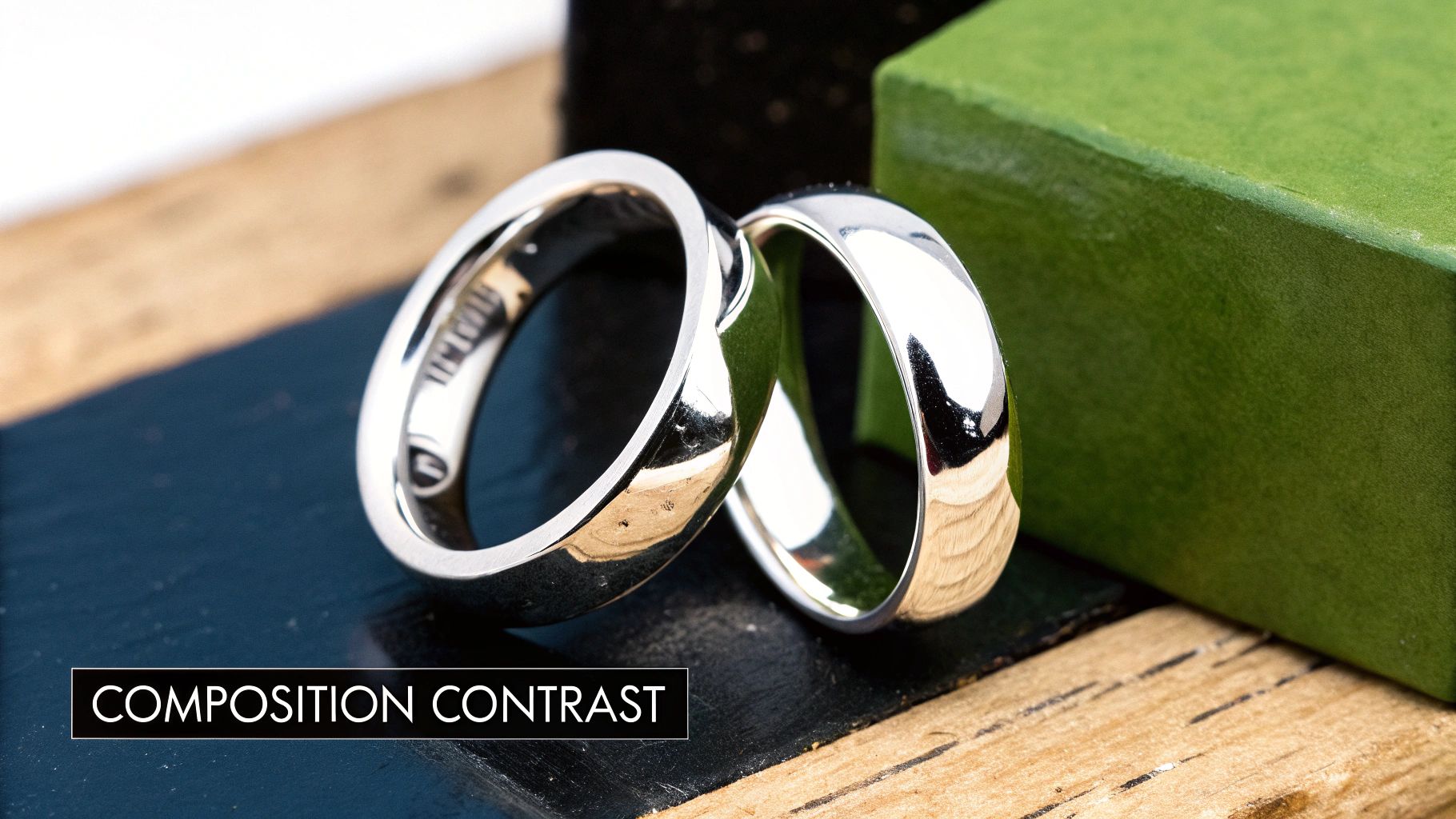
When you're picking out a new piece of jewelry, you want to know it can handle your daily life. This is where we see one of the biggest divides between sterling silver and silver-plated options. The difference in how they hold up over time is huge.
Simply put, sterling silver is built to last. It’s a solid precious metal alloy, which gives it a natural strength and durability. This makes it perfect for pieces you'll wear constantly—think of a favorite necklace, a signature ring, or a bracelet you never take off. With the right care, these items can last for generations, becoming true family heirlooms.
The Truth About Tarnish
A lot of people worry about tarnish, which is the darkening that happens when silver reacts with sulfur in the air. But here's the key thing to remember: tarnish is not permanent damage. It's just a surface-level issue. A quick wipe with a polishing cloth is usually all it takes to bring back that brilliant shine.
On the other hand, the lifespan of silver-plated jewelry is much, much shorter. That whisper-thin layer of silver electroplated onto a base metal is incredibly fragile and prone to damage from just normal, everyday activities.
The core difference is this: sterling silver can always be polished back to its original beauty. Once silver plating is damaged, it's almost always game over, permanently exposing the cheaper base metal underneath.
Real-World Wear and Tear Scenarios
Just think about what your jewelry goes through in a typical day. That delicate silver plating on a ring or bracelet is constantly up against things that cause it to wear away.
- Friction: The simple act of rubbing against your clothes, your desk, or even your own skin will slowly wear down the thin silver coating. Rings and bracelets are especially vulnerable.
- Chemical Exposure: Everyday things like hand lotion, perfume, and even the natural oils on your skin can react with the plating, causing it to tarnish, flake, or discolor.
- Moisture: Water is a major enemy. Washing your hands or showering can trap moisture underneath the plating, which speeds up corrosion and can cause the silver layer to peel right off.
Once that silver layer is gone, the base metal—usually a different color like the reddish tint of copper or the yellow of brass—starts showing through. It completely changes the look of the piece and can even cause skin irritation, especially if the base metal contains nickel. You can dive deeper into this topic in our guide that asks, does silver-plated jewelry tarnish?.
So, the choice becomes pretty clear. Sterling silver is a long-term investment in a piece that can keep up with you and be cherished for a lifetime. Silver-plated jewelry is a fantastic, affordable option for trendy accessories you might only wear for a season or for costume pieces you pull out for special occasions where durability isn't the main priority.
Analyzing the True Cost and Long-Term Value
It’s tempting to look at the price tags on sterling silver and silver-plated jewelry and just go with the cheaper option. Silver-plated pieces are always going to win on the initial sticker price, but that upfront saving doesn't tell the whole story about what you're really getting for your money.
The price of sterling silver jewelry is directly linked to the precious metal market. You're buying a piece that has real, tangible value because it’s made of 92.5% pure silver. Its worth isn't just in the craftsmanship; it's baked right into the metal. That means a sterling silver piece holds its value and can even be sold for its scrap weight down the line. It's an actual asset.
On the flip side, a silver-plated item’s cost comes almost entirely from the labor and design. The core is usually a cheap metal like brass or copper, which has very little monetary value. That tiny layer of silver on top is too thin to add any real worth, so once the piece is worn and tarnished, its resale value is practically zero.
The Investment Perspective
When you start thinking about your jewelry in the long term, the cost comparison looks completely different. You might save a few dollars today on a plated piece, but you're essentially buying a disposable accessory with a very short lifespan.
Sterling silver, however, is a purchase that holds its own financially. It can be professionally polished, repaired, and even passed down. This staying power is something silver-plated jewelry just can't offer. If you want to dig deeper into the numbers, check out a practical guide to understanding 925 silver's worth, which really breaks down how its value is determined.
The crucial takeaway is this: With sterling silver, your money goes toward a valuable, lasting precious metal. With silver-plated items, your money goes toward a temporary look.
Cost Per Wear
Another smart way to look at it is through "cost per wear." Think about a sterling silver ring you wear every single day for a decade. The initial price might seem high, but when you divide that cost by the thousands of times you've worn it, the price per wear becomes pennies.
Now, consider a plated ring. You'd likely have to replace it several times over that same ten-year period as the silver coating inevitably wears away. Suddenly, those small, repeated purchases can add up to more than the single sterling silver investment.
This really clarifies the decision:
- Sterling Silver: A higher upfront cost, but it delivers fantastic long-term value and an extremely low cost per wear for pieces you love.
- Silver Plated: A low initial price, but it has no lasting value and a much higher cost per wear for anything you plan on using regularly.
Ultimately, your choice boils down to what matters more to you: saving a little money right now or investing in durability and value that lasts a lifetime.
How to Properly Care for Your Silver Jewelry
Keeping your jewelry looking its best for years to come is all about the right care. But here's the thing: how you treat sterling silver versus silver-plated pieces is completely different. You really have to know which one you're working with.
With sterling silver, it's all about restoration. For silver-plated items, the name of the game is preservation.
Restoring Sterling Silver Shine
Sterling silver is pretty forgiving. Tarnish looks bad, but it’s just a surface-level chemical reaction, not permanent damage. Most of the time, you can bring that brilliant shine right back.
A quick, gentle rubdown with a specialized silver polishing cloth is often all it takes to handle light tarnish. If it needs a bit more work, a simple bath in lukewarm water with a couple of drops of mild dish soap will do the trick.
- Polishing Cloths: These should be your go-to for daily upkeep. They're perfect for wiping away fingerprints and the beginnings of tarnish.
- Soap and Water: This is a safe and effective way to clean off grime and oils. Just make sure you dry the piece completely with a soft, lint-free cloth when you're done.
The most important thing to remember is that sterling silver can almost always be restored. Because it's a solid precious metal all the way through, you can polish the surface without damaging the piece itself.
Preserving Silver Plated Finishes
Caring for silver-plated jewelry, on the other hand, is a much more delicate process. Your one and only goal is to protect that incredibly thin layer of silver for as long as you possibly can.
Scrubbing too hard or using abrasive cleaners is the quickest way to destroy a plated piece. It's surprisingly easy to wear right through that silver layer and expose the cheap base metal underneath. A gentle wipe with a soft microfiber cloth is about as aggressive as you should get.
It’s also crucial to keep it away from moisture and chemicals. That means taking it off before you wash your hands, hop in the shower, or work out. Lotions and perfumes are its worst enemy. If you want more tips on this, our guide on caring for gold-plated jewelry has some great strategies that apply here too.
While we're talking about silver, these principles of careful handling extend to many other valuables. For a broader look at this idea, check out these essential care and maintenance tips for valuable items.
When it comes down to it, the difference is huge: You can always bring sterling silver back from tarnish, but once the finish on a silver-plated piece is gone, it's almost always gone for good.
How to Choose the Right Silver for You
So, how do you decide between sterling silver and silver-plated? It really comes down to matching the jewelry to your life. There’s no single “better” option here—just the right choice for a specific purpose, budget, and person. Once you know what you need, picking the perfect piece becomes easy.
Start by thinking about how and when you'll actually wear the item. Is this going to be your new go-to ring that never leaves your finger? Or is it a trendy statement necklace you’ll only pull out for special occasions? Your answer to that question is the biggest clue.
When Sterling Silver Is the Smart Choice
Sterling silver is, without a doubt, the right call for pieces you want to last. Its strength and genuine value make it a real investment, especially for jewelry that holds meaning.
Choose sterling silver if:
- The piece is for daily wear. Think about rings, bracelets, and necklaces you live in. They need the durability that only a solid precious metal alloy can offer.
- It’s a meaningful gift. For milestones like anniversaries, birthdays, or graduations, sterling silver sends a message of permanence and care.
- You have sensitive skin. Sterling silver is hypoallergenic for most people. The base metals in plated jewelry, especially nickel, are often the culprits behind skin irritation.
- You want long-term value. You're buying something that can be professionally polished, repaired, and loved for decades to come.
A sterling silver piece is more than an accessory; it's a future heirloom. Its ability to be restored means its story doesn’t end with a single scratch or a bit of tarnish.
If you want to get into the nitty-gritty of its makeup, you can learn more about what defines 925 sterling silver and why that little stamp is so important.
When Silver Plated Makes Perfect Sense
Silver-plated jewelry has its own time and place to shine. It’s perfect for moments when cost and style matter more than lasting forever. You get the beautiful look of silver without the price tag, which opens up a world of possibilities for fashion and fun.
Opt for silver-plated pieces when:
- You’re trying a new style. Want to experiment with a bold, of-the-moment design without committing too much cash? Plated jewelry is your low-risk best friend.
- The item is for occasional use. For that costume party piece or a necklace you might wear twice a year, the thin silver layer will hold up just fine.
- Your budget is the top priority. It delivers that brilliant silver shine for a fraction of the cost, putting fashionable looks within everyone's reach.
At the end of the day, it's all about your priorities. For timeless quality and everyday wear, invest in sterling. For fun, fleeting trends and budget-friendly sparkle, silver-plated is the way to go.
Your Silver Jewelry Questions, Answered
When you're choosing between sterling silver and silver-plated jewelry, a few questions always seem to pop up. Making the right choice often comes down to understanding the practical, day-to-day differences. Let's clear up some of the most common ones.
Can I Get My Silver-Plated Jewelry Wet?
This is a big one. My advice? Try to keep your silver-plated pieces dry. While a quick splash of water won't ruin it instantly, repeated exposure is the real enemy.
Soaps, lotions, chlorine from a swimming pool, and even the minerals in your tap water can all conspire to break down that delicate silver layer. Once that thin plating starts to wear away, the base metal underneath—which is usually a different color, like copper or brass—will begin to show through.
How Can I Tell If My Jewelry Is Sterling Silver or Just Silver-Plated?
It can be tricky, but there are a few tell-tale signs. The easiest and most reliable way is to look for a stamp, often called a hallmark.
- Sterling silver is almost always marked to certify its purity. Look for a tiny stamp that says "925," "STER," or "Sterling." This is your guarantee that it's the real deal.
- Silver-plated items, on the other hand, might be stamped with "SP," "EPNS" (Electroplated Nickel Silver), or have no markings at all.
Beyond the stamp, you can often feel the difference. Solid sterling silver has a satisfying weight to it. It feels more substantial in your hand compared to a lighter, plated piece.
Is Silver-Plated Jewelry Worth Anything?
This question is all about perspective. If you're thinking about resale or scrap value, then no, silver-plated jewelry isn't worth much. The silver layer is just too thin to have any significant monetary value.
But its real worth isn't in the metal—it's in the style. Silver-plated pieces let you experiment with trendy, fashionable designs without a big financial commitment. Think of it as fashion jewelry: perfect for a season or a specific look, but not meant to be a forever piece.
Its value is in its look, not its material composition.
At Hidden Forever, we’re passionate about creating jewelry that’s meant to be cherished for a lifetime. That’s why we handcraft every one of our projection pieces from premium 925 sterling silver. We want your memories to last.
Ready to turn a special moment into a timeless keepsake? Explore our collection and find your perfect piece.


